
What the assessment is for
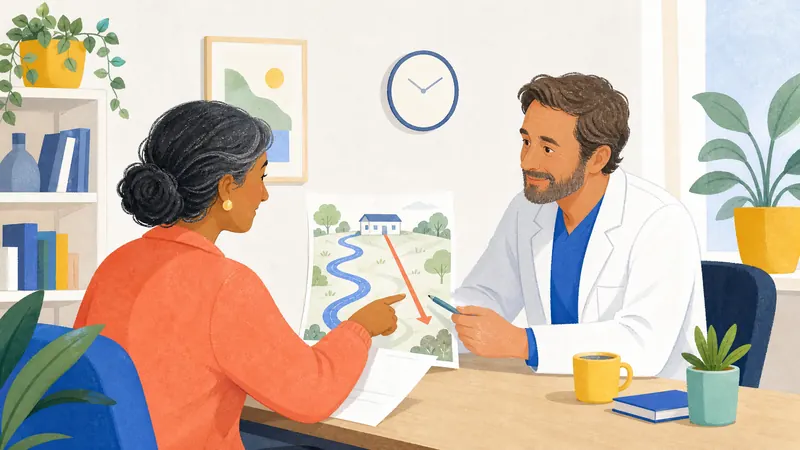
An adult ADHD assessment is a long, structured conversation with a specialist. It isn't a test you pass or fail. NICE, which writes the guidance the NHS follows in England and Wales, says ADHD should only be diagnosed by a specialist psychiatrist or another appropriately qualified healthcare professional with training in diagnosing it.
The diagnosis rests on a full clinical and psychosocial assessment. That covers how things go in different parts of your everyday life, your developmental and psychiatric history, reports from people who know you, and your mental state. To count, the traits need to cause at least moderate difficulties, happen often, and show up in two or more important settings, such as work, home and relationships.
The NHS says these signs usually start before the age of 12. That's why so many of the questions are about your childhood.
Good to know: NICE says a diagnosis shouldn't be made from rating scales alone. Online quizzes, ours included, can help you think about what to say, but they can't tell you whether you have ADHD.
What happens on the day
There's no national standard format, and each service does things a little differently. Most follow a similar pattern.
- Questionnaires firstYou'll often be sent forms about your life now and your childhood. Many services also send a form for someone who knows you well.
- The interviewA specialist talks you through your life now and as a child. The Royal College of Psychiatrists says this is usually supported by structured tools, such as DIVA-5, an interview based on the DSM-5 criteria. Which tool is used varies.
- Someone who knows youThe NHS says the specialist may want to contact a family member or close friend.
- A wider checkNICE says the assessment should also look at your needs, any other conditions, your circumstances at home and work, and your physical health.
- The outcome and reportYou may hear the outcome on the day or afterwards, followed by a written report.
How long it takes varies too. As one example, a large Right to Choose provider describes questionnaires from you and from someone who knows you, a video assessment of up to 90 minutes, and a report within six weeks.
What they'll ask about
Expect questions across your whole life. These are typical areas, not a script:
| Area | What you might be asked about |
|---|---|
| Childhood and school | What you were like before about age 12: school reports, homework, friendships, daydreaming, getting into trouble |
| Work or study | Starting and finishing tasks, deadlines, meetings, mistakes, how often you've changed jobs or courses |
| Home and money | Bills, paperwork, housework, losing things, remembering appointments |
| Relationships | Forgetting plans, interrupting, arguments, how other people describe you |
| Health | Physical health, sleep, mood, anxiety, alcohol or drug use, and any medicines you take |
| Family | Whether anyone in your family has ADHD or similar traits |
How to prepare, step by step
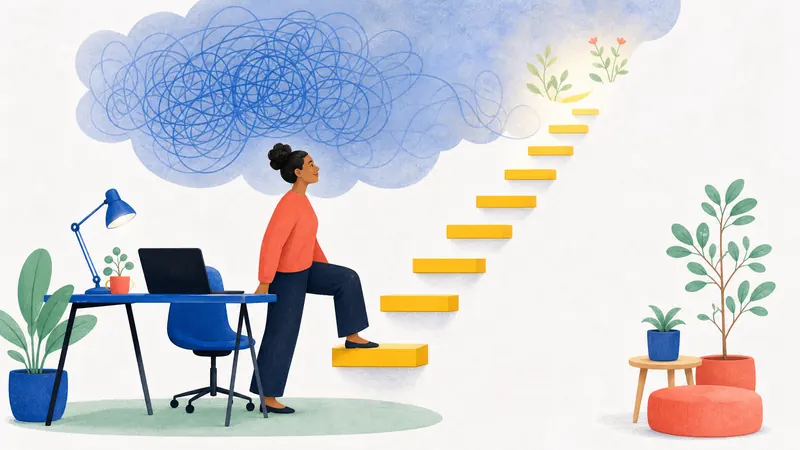
- Write examples from nowAim for a handful in each area of your life. Specific beats general: "I missed two dentist appointments this year" says more than "I'm disorganised".
- Write examples from childhoodThink about primary school especially. Ask parents, older siblings or relatives what they remember, and what teachers used to say about you.
- Gather what you haveOld school reports, any previous assessments, and a list of your health conditions and medicines. NICE doesn't require school reports, but they're useful evidence about your childhood if you can find them.
- Ask someone to be your informantIdeally someone who knew you as a child, such as a parent or older sibling. A partner or close friend can describe you as you are now. Show them the note further down this page.
- Note your health historyWrite down any physical or mental health conditions, how you sleep, and any heart problems in you or your close family. A specialist checks physical health before any treatment is considered, so it helps to have this ready.
- Plan the dayFor a video call, find a quiet room with a good connection, keep your notes in front of you and have water nearby. It's fine to ask for a moment, or for a question to be repeated.
How to write your examples
Assessors need to understand three things: what happens, how often, and what it costs you. A simple pattern helps.
A template for each example
"When [situation], I [what happens]. Most recently, [a specific time]. It happens [how often], and it means [the impact]. It's been like this since [when]."
Here's how that might look: "When I have a form to fill in for work, I open it, close it and leave it for days. Most recently, my expenses claim went in three months late, so I paid for a train ticket myself. It happens most weeks, and it means I'm always behind and anxious about it. It's been like this since school, when my homework was often late."
Be honest, not polished. Describe a typical day and a bad day, not your best day. Many adults have spent years hiding or making up for their difficulties, and the NHS says ADHD is thought to be recognised less often in women than men. If you work hard to look fine, say so, and say what it costs you.
If you're joining the waiting list for our app, its "My ADHD story" PDF is built around this kind of note: your examples, in your own words, ready to take on the day. It isn't a diagnosis. See the Unstuck app.
A note for the person who knows you
If you've been asked to give information about someone, you don't need to know anything about ADHD. The specialist wants your honest memories and observations:
- What they were like as a child, at home and at school, if you knew them then.
- What you notice now: everyday examples, not labels.
- How often things happen, and what they lead to.
It's fine to say "I don't know" or "I can't remember". Guessing doesn't help anyone.
After the assessment
If you're diagnosed, NICE says you should have a structured discussion about how ADHD could affect your life, including your strengths, education, work and relationships. NICE puts changes to your environment first, such as adjustments at work or study, and NHS England's 2026/27 guidance asks services to record at least one environmental change before medication is considered.
The NHS says not everyone needs or wants to take medicine. If you and your specialist decide to try it, the specialist starts it after a full health check, and your GP may take over prescribing once the dose is stable, through a shared care agreement. Waits for this stage can be long: one large provider quotes up to 60 to 65 weeks.
If you're not diagnosed, the assessment should still have looked at your needs and any other conditions. The Royal College of Psychiatrists says people who find out they don't have ADHD, but have related support needs, can also get help. Ask the assessor what they'd suggest, and talk to your GP.
About the report: NHS England's 2026/27 guidance says NHS services should accept reports from independent providers, including Right to Choose providers, unless there's a clear clinical reason not to. The Royal College of Psychiatrists says a thorough report includes the assessor's role and qualifications, the tools used, a review of your mental health, your childhood and schooling, your physical health, and information from others where available.
Still waiting for a referral? Our guide to ADHD Right to Choose explains how to ask for a provider with a shorter wait in England.
Questions people ask
Do I need my school reports?
NICE doesn't require them, but it does expect a developmental history and reports from people who know you. If you can find old school reports, bring them: they're useful evidence about your childhood. If you can't, tell the assessor and bring what you do have.
Who can be my informant?
Someone who knows you well, such as a family member or close friend. Ideally it's someone who knew you as a child, like a parent or older sibling. A partner can describe how things are now.
How long does an adult ADHD assessment take?
There's no national standard. Expect questionnaires beforehand and a long interview. As one example, a large Right to Choose provider describes a video assessment of up to 90 minutes, with a report within six weeks.
Can an online quiz diagnose ADHD?
No. NICE says a diagnosis shouldn't be made from rating scales alone, and the Royal College of Psychiatrists says it needs a comprehensive interview. A quiz can help you think about which examples to bring.
Will I get medication straight away?
No. NICE puts changes to your environment first, and medication can only be started by a specialist after a full health check. The NHS says not everyone needs or wants medicine, and the wait for this stage can be long.
What if I'm not diagnosed?
The assessment should still look at your needs and any other conditions. The Royal College of Psychiatrists says people with related support needs can also get help. Ask the assessor what they suggest, and talk to your GP.
Sources
- NICE. Attention deficit hyperactivity disorder: diagnosis and management (NG87), recommendations. 2018, updated 2019.
- NHS. ADHD in adults. Reviewed 19 March 2025.
- Royal College of Psychiatrists. ADHD in adults. June 2023.
- NHS England. 2026/27 NHS Payment Scheme: ADHD and autism payment guidance. March 2026.
- Healthcare (MDPI). Validity of the Italian version of DIVA-5: semi-structured diagnostic interview for adult ADHD based on the DSM-5 criteria. January 2025.
- Clinical Partners. Our NHS Right to Choose ADHD assessment process. 2026.
- Psychiatry UK. Initial assessment and titration waiting times. Updated 9 September 2026.
This article is general information, not medical advice, and it doesn't diagnose ADHD. Talk to your GP about your own situation. In crisis? Call Samaritans on 116 123.